
Case and Portfolio Management
Organize assigned customers by client, project, aging, stage, and priority.
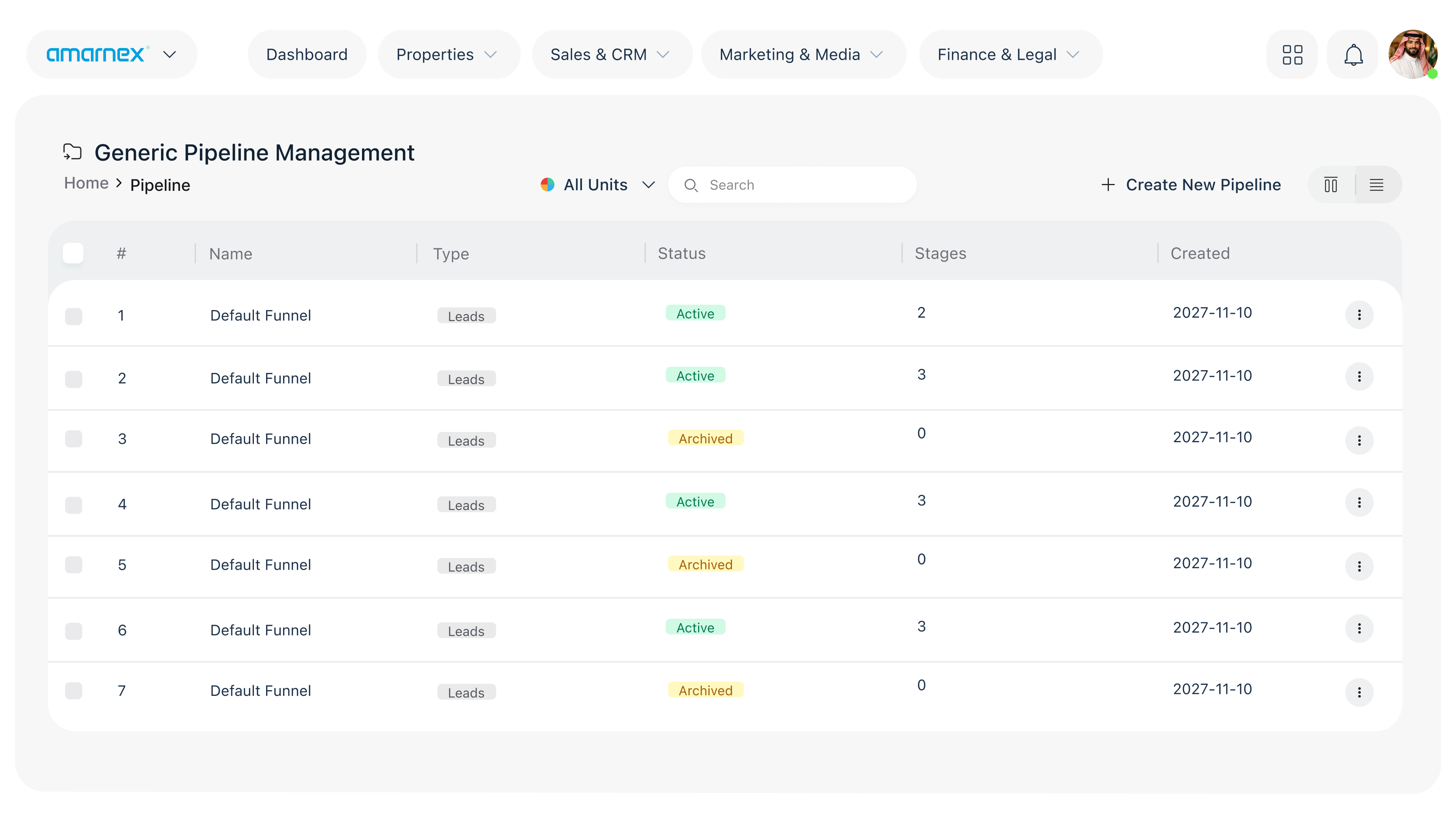
Finance and collection organizations can manage assigned cases, customer communication, commitments, payment evidence, and escalations while maintaining accountable, visible financing and collection journeys with authorized status shared across developers, owners, and brokers.
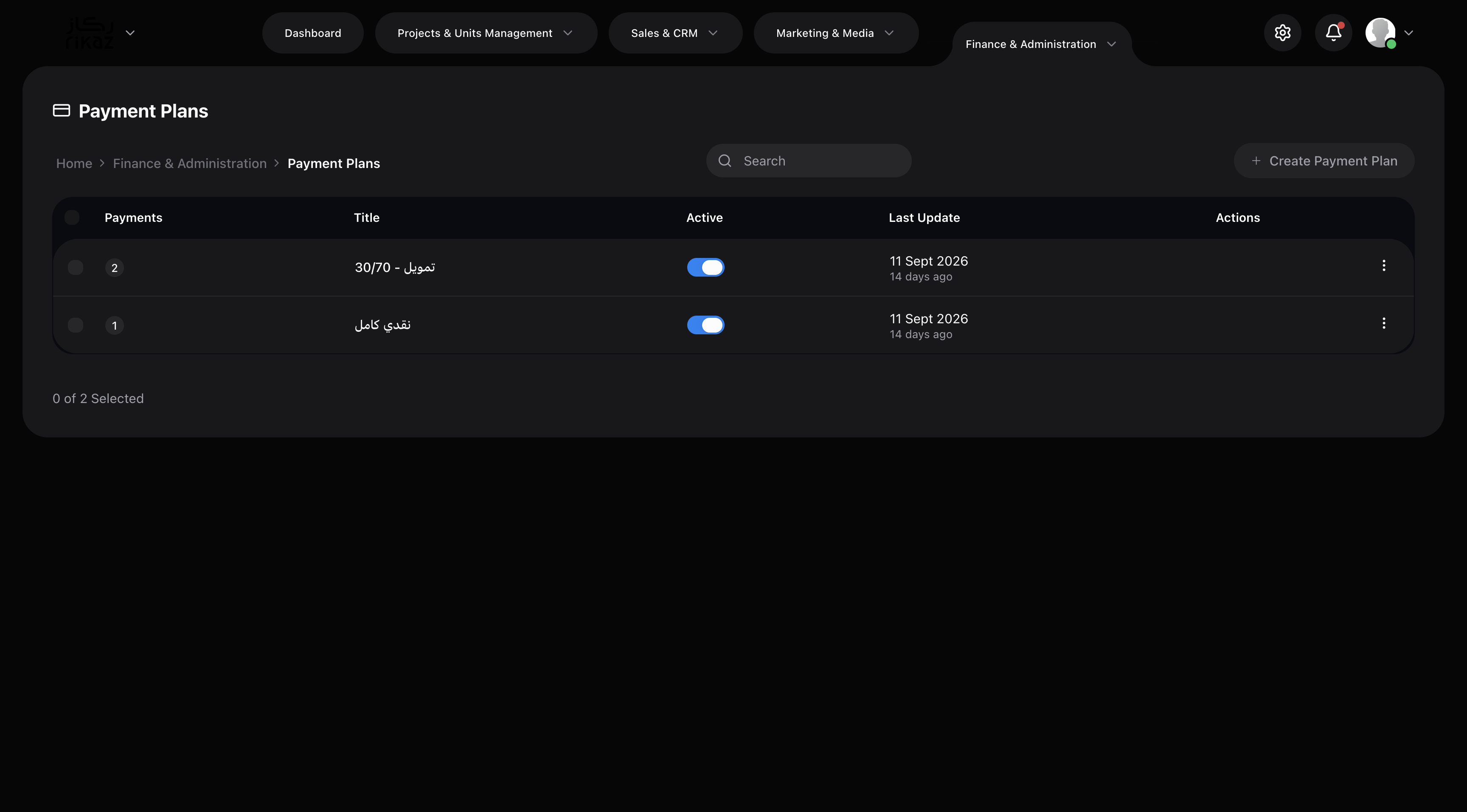
Each institute operates its own tenant with private agents, policies, scripts, credentials, risk notes, and portfolio analytics. A shared pipeline is created for each client organization or portfolio, exposing only approved case data and status.
Developers or property operators assign approved cases to a shared portfolio pipeline. The institute manages contact attempts, requirements, commitments, payment status, exceptions, and outcomes.
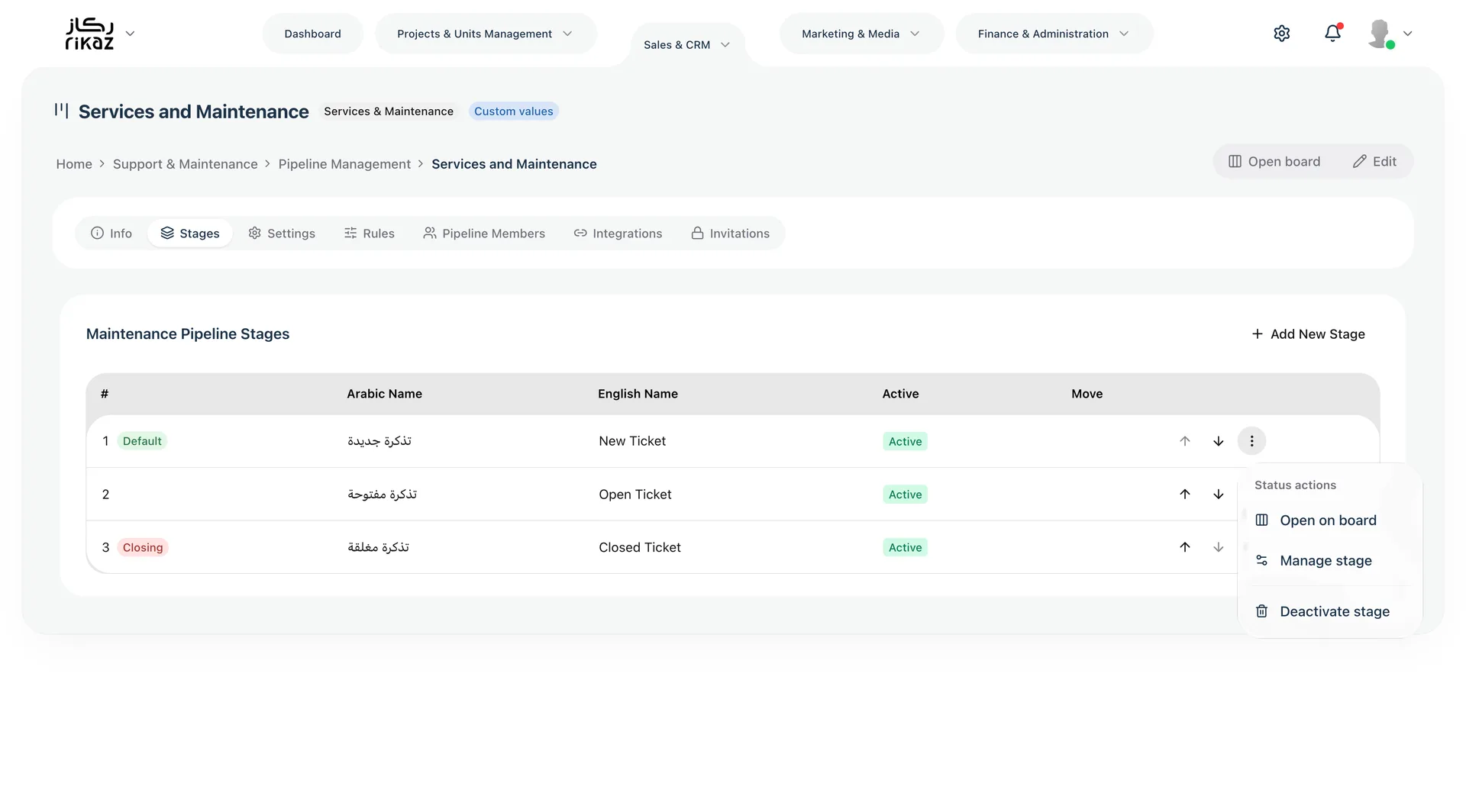
Each tenant keeps its users, credentials, communication channels, internal notes, and private records isolated. Only approved pipeline records, fields, stages, documents, tasks, and performance indicators are shared with named counterpart tenants, with configurable permissions, ownership, expiry, and audit history.
Organize assigned customers by client, project, aging, stage, and priority.
Plan reminders, conversations, commitments, follow-ups, receipts, and escalation.
Coordinate document and status steps when financing services are in scope.
Maintain an authorized history of calls, SMS, email, and chat.
Manage required files, payment evidence, statements, and audit records.
Return approved status and service information to the originating tenant.
Portfolio segmentation and prioritized work queues
Customer contact timeline and follow-up tasks
Collection and finance work depends on timely, trustworthy status exchange. Shared pipelines keep the customer experience connected while protecting the institute’s regulated processes and internal decision information.

A developer assigns an approved case, the institute verifies the required information, communicates through permitted channels, records documents and commitments, updates milestones for the developer, resolves exceptions, and closes the case with an auditable outcome.
Start with the pipeline stages, information ownership, sharing rules, service levels, and success measures agreed by the participating tenants. Configure the required modules, train each team for its role, and review performance without exposing unrelated tenant data.
Design Your Tenant Workflow